October 12, 2026 · 4 min read · By Lawn care notes
Leaf Cleanup vs. Mulching: Keeping Turf Healthy Before Winter
When chopping thin layers of dry leaves with a mower helps your soil, and when heavy maple or oak mats need full removal.
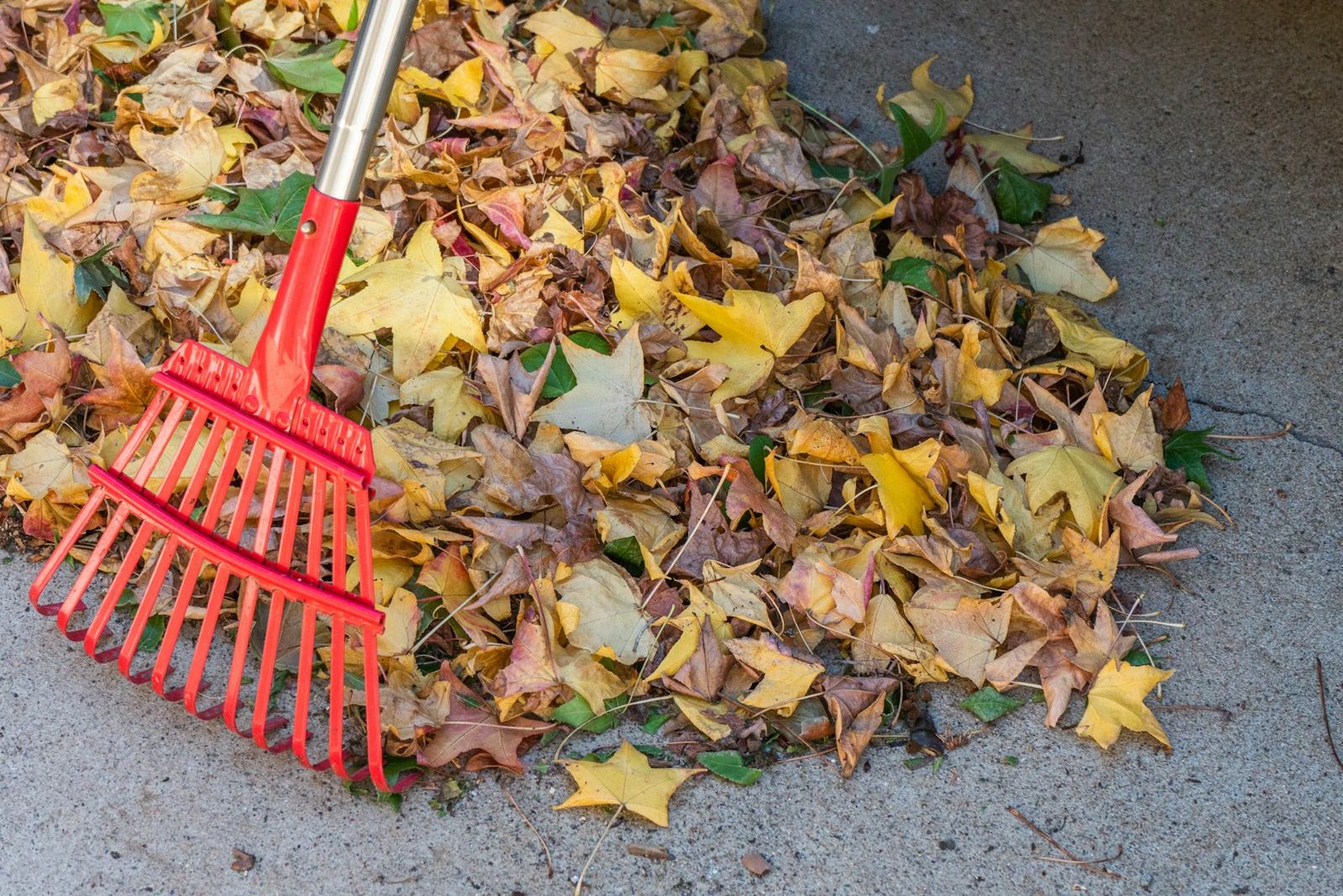
What Happens When Leaves Sit on the Lawn Too Long
Fall color across Wisconsin neighborhoods is great to look at, until a few windy weekends turn a green front yard into a solid blanket of wet maple and oak leaves. Leaving a thick layer of leaves on cool-season grass blocks autumn sunlight right when turf should be storing energy in its roots for winter.
Once rain hits a dense mat of leaves, air circulation drops and moisture stays trapped against the turf crown. Even a couple of weeks under wet leaves can yellow out healthy grass and leave thin, bare patches that turn muddy or invite weeds when spring arrives.
When Mulching Leaves Into Turf Makes Sense
You do not always need to bag every single leaf that lands on the grass. If coverage is light—meaning you can still see plenty of green grass blades poking through—running a sharp mower over dry leaves breaks them into dime-sized fragments. Those fine pieces filter down between grass blades, add organic matter to clay soil as they decompose, and save trips to the curb.
The key is staying ahead of the drop. Mulching works smoothly when done weekly on dry afternoons while leaf volume is manageable. Waiting until leaves are ankle-deep and soggy usually clogs mower decks and leaves thick shredded piles that still smother the grass underneath.
When Full Leaf Removal Is the Better Choice
Yards with mature oaks, maples, or sycamores often receive far more leaf volume than turf can absorb safely. Oak leaves in particular are leathery and break down slowly, making them tough to mulch cleanly in one or two passes. In those cases, blowing and raking leaves out of turf, landscape beds, window wells, and drainage swales protects both grass and surrounding plantings.
Clearing leaves out of shrub beds and along fence lines before the first hard freeze also keeps winter moisture from matting against plant stems and helps your whole property look crisp heading into winter.
Watch Drainage Paths, Beds, and Border Edges
Windblown leaves naturally collect in corners—along driveway curbs, inside fence corners, around porch steps, and across yard swales. When winter rain or melting snow cannot drain freely because soggy leaves are blocking a swale or downspout outlet, standing water can freeze over turf and thin out grass by spring.
Doing one thorough final cleanup after the last major leaf drop—including landscape beds, fence lines, and hardscape edges—saves a lot of spring cleanup work and gives your yard a clean start once temperatures warm back up.
Need a hand with your Madison yard?
Ask Haynes Snow Removal & Lawn Care LLC for a free estimate on mowing or seasonal care.